How to start budgeting from what you actually spend
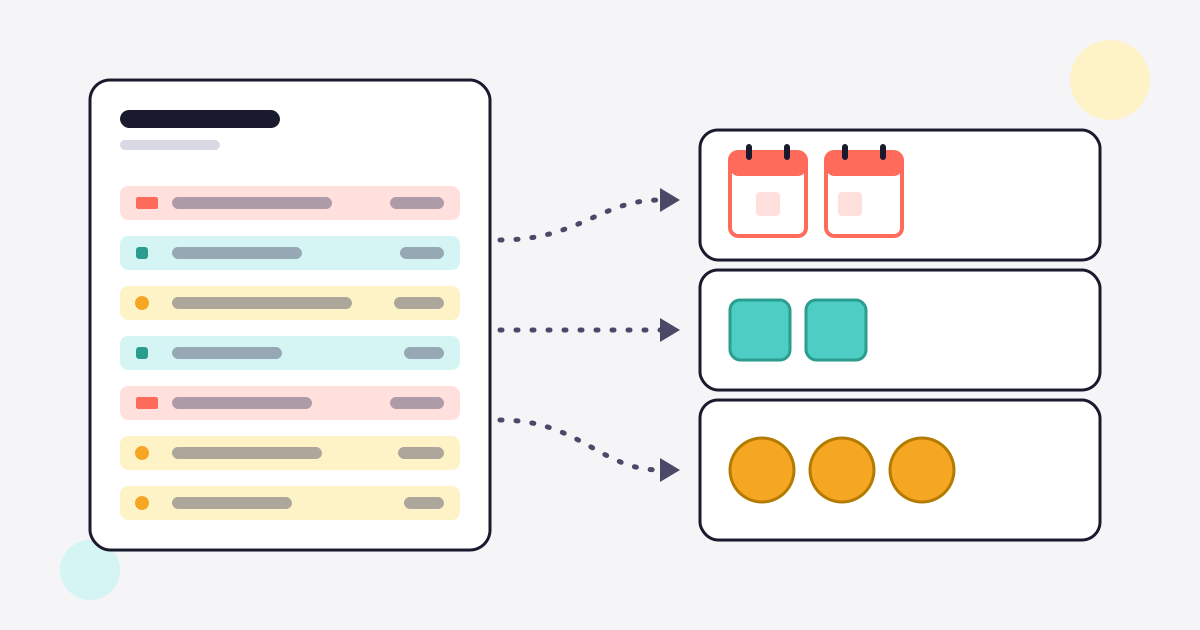
Here's how to start budgeting from last month's bank and card statements, today, even if the month is half over or you're already behind. Statements in hand, you can turn them into a simple budget in one sitting.
It's trickier than it looks. In a set of studies, people tended to predict they'd spend less in the coming week than they actually spent, and less than they remembered spending the week before. Wanting to save made the guess lower without lowering the spending. A budget written from scratch on a blank page is a guess like that. This one starts from what already happened, so the numbers come from your own statements.
1. Gather last month's statements
Pull the statements for your checking account, each credit card, and any payment app you spend from. For beginners, one month is the right size. The CFPB suggests tracking a full month because it lets you see all of your income and expenses in one place.
A month does miss anything that bills less often. Glance back six months for quarterly charges and twelve for yearly ones, the way How to find hidden subscriptions does. Jot down any you find, because step 4 uses them.
2. Write down what came in
List each paycheck and any other deposit. Leave out transfers between your own accounts, since that money was already yours.
If you're paid every two weeks, a couple of months a year bring a third paycheck, because 26 paydays don't divide evenly into 12 months. Budget on the usual two, and treat the third as a bonus month.
3. Sort what went out into three piles
Use three piles: bills, essentials, and the rest.
- Bills arrive on a schedule: rent, utilities, a phone plan.
- Essentials are things like groceries and gas.
- The rest is everything else.
The CFPB's tip is to circle the items that are the same every month. Those are often your needs and obligations, so they usually land in the first two piles.
Count each purchase once. If you pay a card from checking, sort the purchases on the card statement and skip the card payment line on the checking statement. Leave out refunds and transfers between your own accounts too. A cash withdrawal goes in the rest unless you know where it went.
Add up each pile. Nice work: that's the hardest part done.
4. Check what made last month unusual
Last month was one month. Take out the one-offs that won't repeat, like a repair or a plane ticket. Then add what didn't happen last month and will happen this month or soon: a yearly renewal, a birthday, a quarterly bill.
Put each of those in the month it lands, with its date. A yearly bill goes in the month it comes due, so you see it coming. Researchers found that asking people why their spending might be different than usual made their predictions more accurate. This step asks that question about the month ahead.
For planning around the exceptions, How to pay off debt and still live your life has a step for it.
5. Do the subtraction
Take what came in, and subtract your bills and essentials. What's left is what you have for the rest, for a debt payment and for a cushion.
6. If you're already behind, start anyway
Mid-month is a fine place to start. Budget from today to your next payday, using what's in the account now. List what's due before that payday, with dates, and put any past-due bill in the bills pile with the date it was due.
If step 5 came out short, the budget has done its first job: it shows by how much. The CFPB notes that if you're coming up short at the end of the month, it could be that the timing for your bills and income don't match. That page is archived, so its information may be outdated. Comparing your bill dates to your payday dates is a quick check.
Look at the rest pile first, since it's usually the pile you have the most say over. Subscriptions you no longer use are a good place to start, and Signs you're paying for subscriptions you don't use walks through them.
7. Set this month's numbers
Set bills and essentials at last month's amounts, adjusted by what you found in step 4. Pick a debt payment you could keep up in a tight month. Then give the spending you enjoy a small, named amount, so it has a place in the plan.
How to pay off debt and still live your life covers both. To see what a payment does in months, try How long will it take to pay off your credit card?
8. Check it against next month's statement
This step teaches the most. Your first budget is a guess built from evidence, and the second month shows which numbers were off. Put next month's statement next to the budget, adjust the amounts that missed, and keep going. A budget that gets a little closer each month is working.
Where Unspending Spree fits
The method above works with a notebook or a spreadsheet. In Unspending Spree, we draft a budget from your actual spending, with no blank-slate guessing. Review it, adjust what doesn't fit, and track how you're doing. Bills, Essentials and Joy, with what you spent against each.
To get your transactions in, link your bank through Plaid with read-only access, and transactions, balances, and account details sync automatically. Data availability varies by institution. You can also upload a statement (PDF, CSV, or photo), or forward statement emails, with the file attached, to your personal import address. AI reads the statement and pulls out the transactions.
Transactions are sorted into budget categories as they come in. Merchants we know are sorted automatically. A new one gets an AI suggestion you confirm once, and after that it sorts itself.
Calculations are estimates based on your data and current rates. Not financial advice.